Matching capacity and reach to the placement point
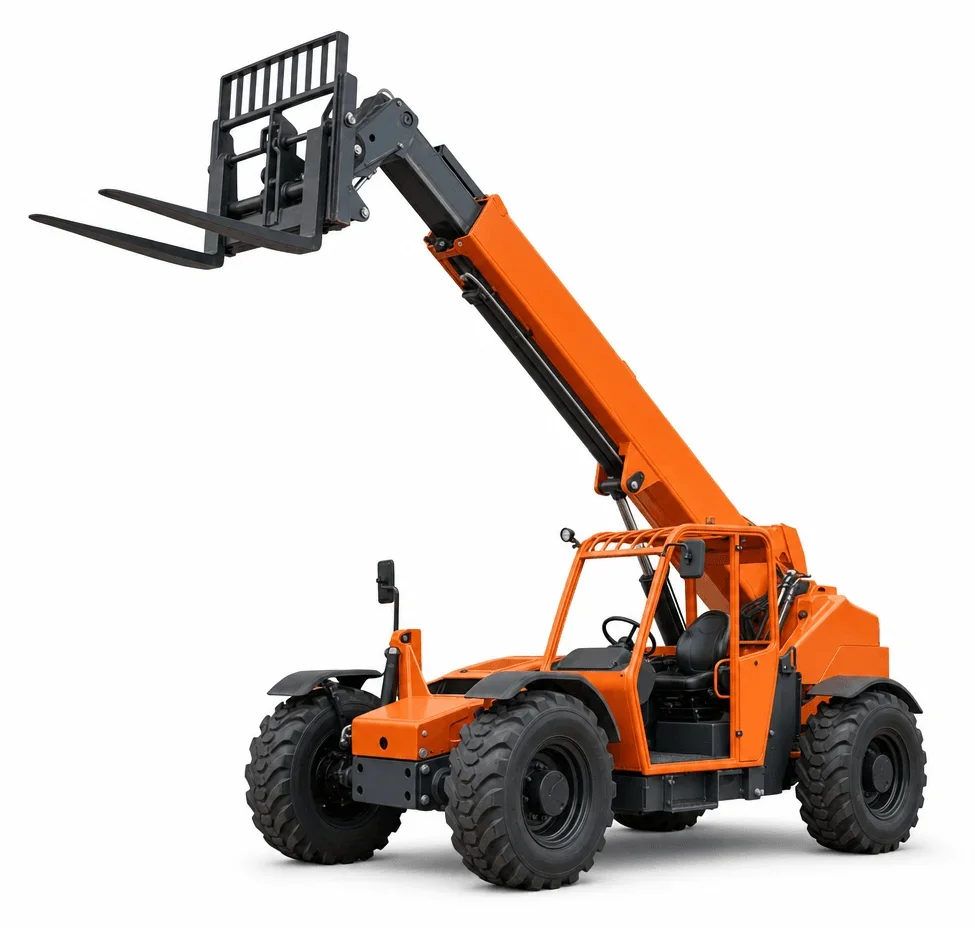
Plan for the maximum load at the farthest placement. Rated capacity drops as the boom extends and elevates, so the critical measurement is weight at the target height and offset from the machine. Fork length, attachment type, and load center all affect the charted envelope shown in the unit’s documentation.
Local site conditions to account for
- Heat in the regional climate can influence hydraulic performance and idle time planning.
- Wind funneled between buildings can affect handling of sheet goods at height; site procedures govern whether placement proceeds.
- Mixed surfaces are common: pavers and tight drives near resorts, compacted base and ramps at industrial pads. Ground condition changes the stability margin you plan around.
Access, staging, and travel distance
Measure gate widths, ramps, and turning space near material laydown. In local distribution builds, long, repeated runs from staging to the structure favor units with higher travel speed and comfortable visibility. In resort courtyards, smaller frames and non-marking options may reduce surface impact and ease navigation.
When another machine is a better fit
- Personnel access with tools only: see /aerial-lift-rental/ for platform options.
- Straight horizontal access to façades without load placement: /telescopic-boom-lift-rental/.
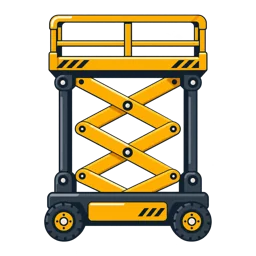
- Interior slab work directly under ceilings: /electric-scissor-lift-rental/.
What to confirm before you call
- Maximum load weight and dimensions at the farthest placement point
- Elevation, outreach, and whether side-shift or tilt will be required by the plan
- Surface type along the travel path and at the set point
- Delivery access and on-site storage for forks and attachments
Telehandlers also pair well with /storage-containers-rental/ for secure on-site materials and with /temporary-fencing-barricades-rental/ to control laydown zones.