Indoor vs. outdoor forklift scenarios
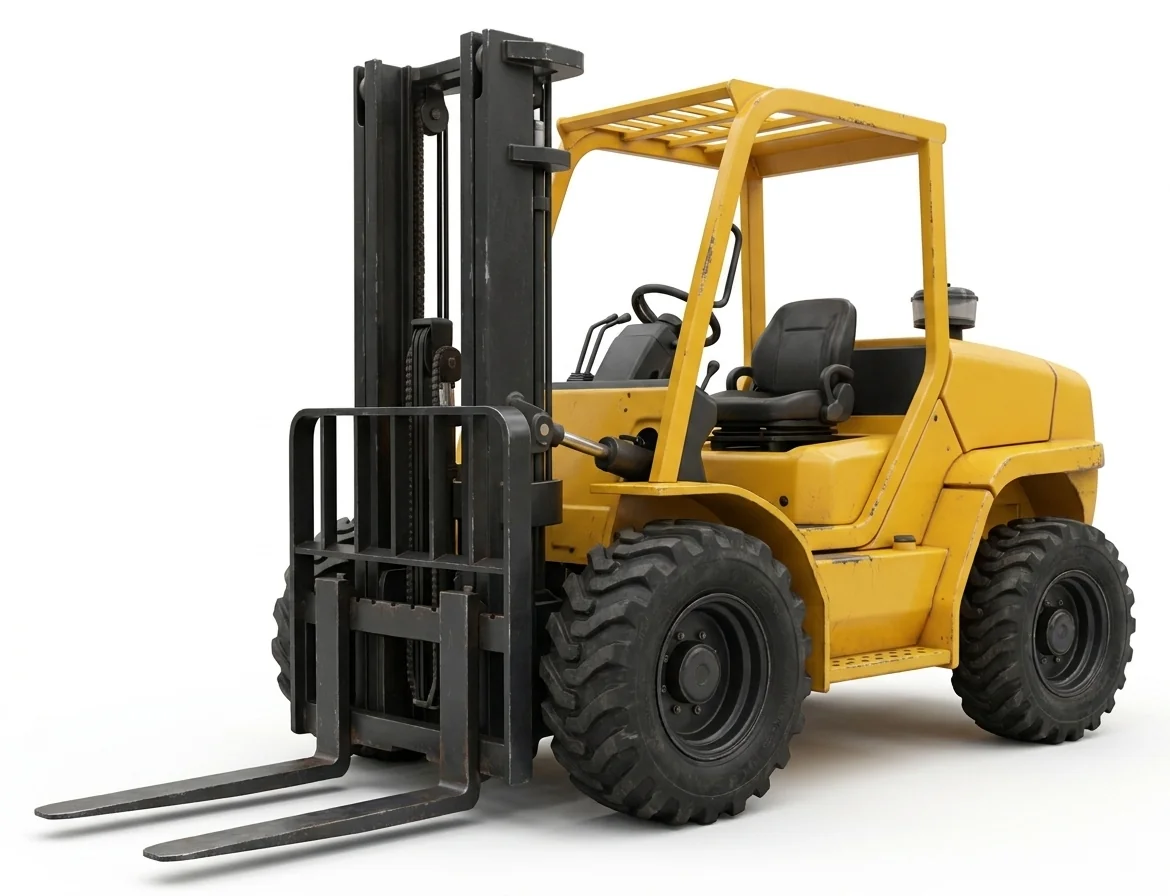
- Interior event spaces and back-of-house corridors: Electric, cushion-tire forklifts with tight turning radii and low ground clearance protect floors and handle palletized goods near guest areas.
- Yards, docks, and compacted base: Pneumatic-tire units handle expansion joints, ramps, and debris better, with higher ground clearance for uneven routes.
Local factors that change the comparison
In the regional climate, high ambient temperatures can affect battery endurance for electric units during long convention changeovers. Airborne dust around industrial builds can influence service intervals and airflow considerations on engine-powered models. Plan travel distance and idle time between halls or buildings to estimate realistic runtime.
Clearance and logistics in Las Vegas venues
Measure door heights, freight elevator sizes, and corridor widths. Many resorts have tight dock approaches with sharp turns, while industrial parks offer wider lanes but longer drives between staging and racks. If loads must reach elevated placements, compare /telehandler-rental/.
Load and mast considerations
Know pallet dimensions, maximum weight, and required lift height. Low-overhead masts help clear door headers in back-of-house routes. For high-bay racking in local distribution buildings, reach trucks or order pickers may be more appropriate within the /products/ catalog if available.
Related access equipment
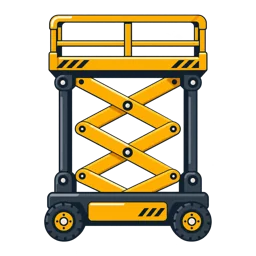
If the goal is personnel access rather than moving pallets, see /vertical-mast-lift-rental/ for single-person vertical work, or /electric-scissor-lift-rental/ for slab ceiling tasks.
What to confirm before you call
- Load weights, pallet sizes, and maximum lift height
- Floor type, ramp grades, and turning space along the route
- Power preference (electric vs. engine) based on ventilation and runtime
- Dock and doorway dimensions from delivery to work area