Start with the work zone geometry
- Can the unit sit below and outside the guest or work area, or must it be placed in a finished interior?
- Is the lighting task ground-level coverage for staging and parking, or vertical illumination for high-bay tasks at a loading line?
- What clearance exists for mast extension in breezeways and between tall structures that can funnel wind?
In resort corridors and ballrooms, sound and emissions constraints usually point to clean, low-noise power placed in a service corridor with cabling into the task area. On open industrial lots, wide throw and long run time matter more than noise profile.
Local conditions that change the comparison
The regional climate brings prolonged heat and intermittent gusts that affect both generator output and light tower stability. Heat favors units with robust cooling and battery support systems for electric starts. Wind through high-rise gaps can add localized gusts; when masts are raised outdoors, actual site conditions and the unit’s instructions govern whether the mast stays grounded or raised. Plan for shaded placements where possible and confirm cord and fuel line routing that keeps walk paths clear.
Generator selection factors
- Power quality: Sensitive event lighting and AV in resort spaces benefit from inverter or higher regulation units to protect electronics.
- Runtime and refueling: For overnight exterior work at industrial sites, larger tanks and accessible refuel paths reduce downtime.
- Access route: Service elevators, polished flooring, and tight back-of-house turns favor compact footprints and non-marking wheel dollies for movement.
- Venting: Interior or semi-enclosed spaces typically require placement outside the conditioned area with cables run inside to avoid fumes.
Light tower selection factors
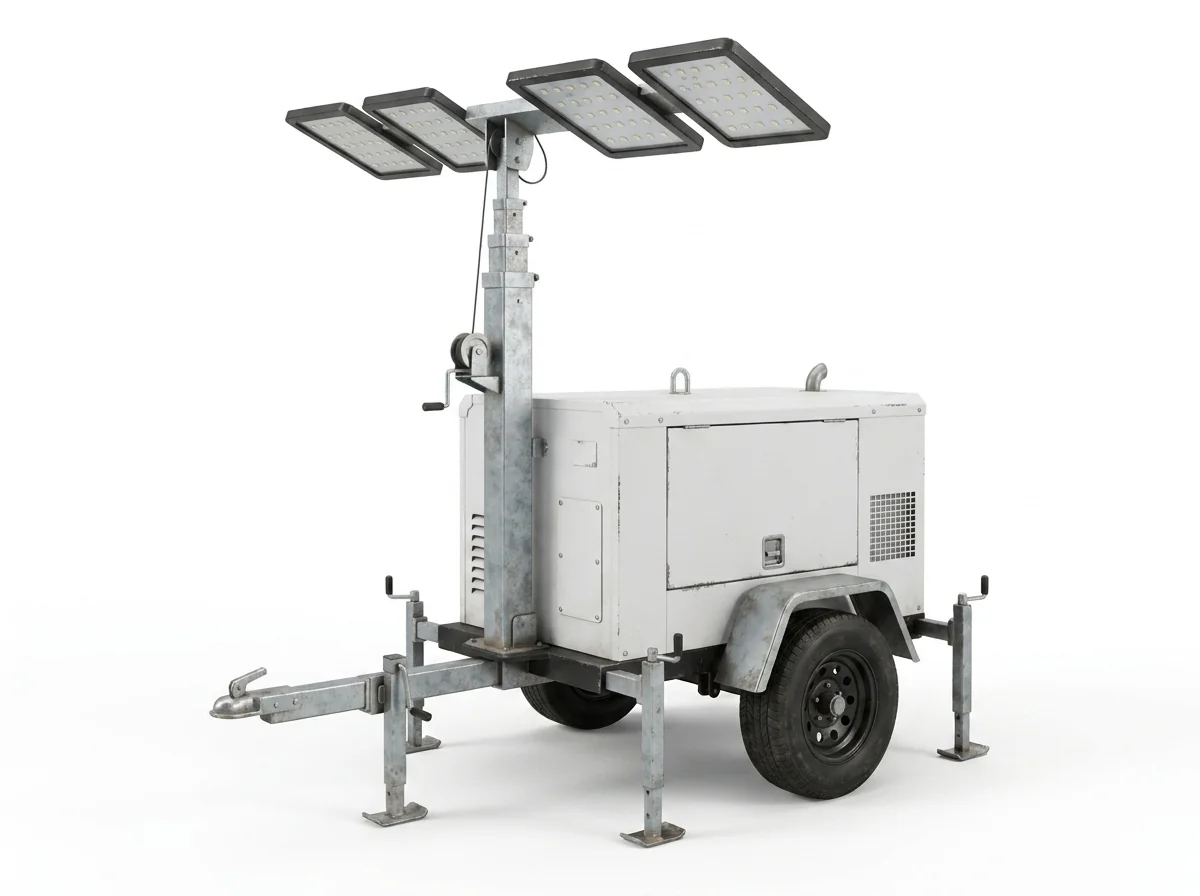
- Mast height vs. throw: Parking and laydown areas often need broader throw; check if the mast can clear parked trailers and temporary fencing.
- Footprint and site-stability factors: Cramped resort backlots need compact outriggers; wide yards allow larger bases.
- Glare control: Near guest-facing zones, baffles and directional heads reduce spill into walkways and façades.
Related access equipment
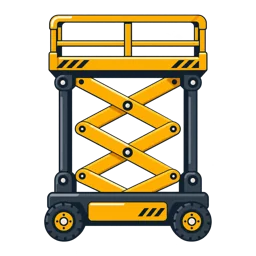
If lighting or cabling must be routed at height, compare platform choices by height and surface: - Interior high-ceiling work: /electric-scissor-lift-rental/ - Uneven lots and yards: /rough-terrain-scissor-lift-rental/ - Targeted fixture aiming above obstacles: /boom-lift-rental/
Coordination details to capture before calling
- Map of placement options, including shaded or ventilated spots
- Distance from generator to loads, cord gauge plan, and cable protection needs
- Run schedule (overnight vs. daytime) and refuel access window
- Wind exposure notes, especially between tall buildings or along open yard edges